Laboratory Pan Mixer – Reliable Concrete & Construction Material Mixing Equipment
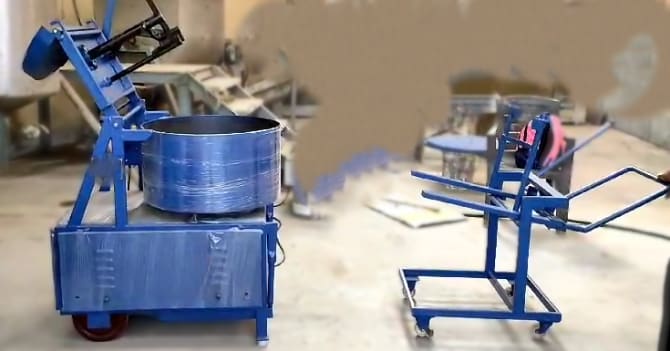
Laboratory Pan Mixer
The Laboratory Pan Mixer is an essential piece of equipment for civil engineering and construction-material testing laboratories. It is designed to mix concrete, mortar and other construction materials uniformly before testing.
Consistent mixing is an important part of laboratory testing because the quality and uniformity of a test specimen can directly affect the reliability and repeatability of test results. A laboratory pan mixer provides controlled mechanical mixing compared with manual mixing, helping laboratories prepare homogeneous samples efficiently.
ARCL Instruments Pvt. Ltd. manufactures & supplies laboratory testing and construction-material equipment for civil engineering laboratories, concrete testing laboratories, research institutions, educational institutes, contractors and quality-control departments.
The laboratory pan mixer is suitable for applications where controlled preparation of concrete or mortar batches is required before tests such as compressive strength, flexural strength, workability and other construction-material evaluations.
What Is a Laboratory Pan Mixer?
A Laboratory Pan Mixer is a mechanical mixing machine in which concrete, mortar or other materials are mixed inside a pan-shaped mixing vessel.
Unlike conventional drum mixers, a pan mixer uses a stationary or controlled mixing pan with rotating mixing blades or paddles. The mixing action helps distribute cement, aggregates, water and other constituents throughout the batch.
Laboratory pan mixers are generally designed with a smaller capacity than large construction-site mixers, making them suitable for preparing controlled laboratory batches.
They are commonly used for:
- Concrete sample preparation
- Mortar sample preparation
- Cementitious material research
- Mix-design studies
- Construction-material testing
- Quality-control testing
- Research and development
- Educational laboratory experiments
Principle of Laboratory Pan Mixer
The Laboratory Pan Mixer works on the principle of mechanical mixing.
The required ingredients are placed inside the mixing pan. Rotating blades or paddles move through the material and cause the individual components to combine.
Depending on the mixer design, the mixing action can involve:
- Lifting
- Folding
- Scraping
- Circulating
- Shearing
- Distributing
This mechanical action helps produce a relatively uniform mixture within the selected mixing time.
The exact mixing sequence, water addition, mixing time and batch size should be established according to the applicable test method or laboratory mix-design procedure.
Main Components of Laboratory Pan Mixer
A typical laboratory pan mixer consists of several important components.
1. Mixing Pan
The pan is the main container in which the concrete, mortar or construction material is mixed.
It is generally manufactured from robust material suitable for repeated laboratory use.
2. Mixing Blades or Paddles
The mixing blades provide the mechanical action required to combine the ingredients.
The shape and arrangement of the blades are designed to promote uniform mixing.
3. Electric Motor
The motor supplies the power required to rotate the mixing mechanism.
4. Gearbox / Drive System
The drive mechanism transfers motor power to the mixing shaft and controls the required rotational movement.
5. Frame
A rigid frame supports the pan, motor and mixing mechanism during operation.
6. Control Arrangement
Depending on the model, controls may be provided for starting and stopping the mixer and operating the mixing cycle.
7. Discharge Arrangement
A suitable discharge mechanism allows the mixed material to be removed from the pan after completion of mixing.
The actual construction and configuration can vary depending on the laboratory pan mixer model and required capacity.
Features of Laboratory Pan Mixer
A good-quality laboratory pan mixer should provide:
- Robust construction
- Efficient mixing action
- Uniform material distribution
- Compact laboratory design
- Easy operation
- Easy material loading
- Convenient discharge
- Durable mixing blades
- Reliable electric motor
- Suitable batch capacity
- Easy cleaning and maintenance
- Stable operation during mixing
For laboratory applications, the mixer should be selected according to the material being mixed, required batch size, mixing procedure and applicable testing standard.
Applications of Laboratory Pan Mixer
The Laboratory Pan Mixer is widely used in civil engineering and construction-material laboratories.
Concrete Mix Design
It can be used to prepare controlled batches of concrete during laboratory mix-design studies.
Concrete Testing
Prepared concrete can be used for subsequent workability, strength and other laboratory tests.
Mortar Mixing
The mixer can be used for preparing mortar and cementitious mixtures where mechanical mixing is required.
Construction Material Research
Research laboratories can use the mixer to study different combinations of cement, aggregates, admixtures and supplementary materials.
Quality Control
Construction and material-testing laboratories can use controlled mixing for routine quality-control sample preparation.
Educational Laboratories
Engineering colleges and universities can use laboratory pan mixers for practical demonstrations and student experiments.
Laboratory Pan Mixer for Concrete Mix Design
Concrete mix design requires careful control over the quantities and mixing of constituent materials.
A laboratory pan mixer can help produce a consistent batch before testing properties such as:
- Workability
- Compressive strength
- Flexural strength
- Split tensile strength
- Density
- Air content
- Other concrete properties
The exact mixing sequence and duration should be based on the relevant test method or mix-design procedure.
Consistent mixing is particularly important when comparing different concrete formulations because variations in mixing can introduce unwanted differences between test batches.
Laboratory Pan Mixer for Mortar
Laboratory pan mixers are also useful for preparing mortar and cementitious materials.
Applications can include:
- Cement mortar preparation
- Masonry mortar studies
- Research on modified mortars
- Construction-material development
- Strength testing sample preparation
- Educational laboratory experiments
The appropriate mixer capacity and mixing method should be selected according to the intended mortar application.
Laboratory Pan Mixer vs Drum Mixer
Both pan mixers and drum mixers are used for mixing construction materials, but their designs and typical applications differ.
| Feature | Laboratory Pan Mixer | Drum Mixer |
|---|---|---|
| Mixing Vessel | Pan | Rotating drum |
| Typical Use | Laboratory and controlled batches | Construction-site mixing |
| Batch Size | Generally smaller | Available in larger capacities |
| Mixing Action | Paddles/blades | Drum rotation |
| Sample Preparation | Well suited | Depends on model |
| Laboratory Use | Common | Less convenient for small controlled batches |
| Cleaning | Generally convenient | Depends on drum design |
The appropriate mixer should be selected based on the material, batch size and testing requirements.
Advantages of Laboratory Pan Mixer
Using a laboratory pan mixer provides several practical benefits.
Consistent Mixing
Mechanical mixing helps improve the uniformity of laboratory batches.
Controlled Sample Preparation
The mixer allows laboratories to prepare repeatable quantities of material for testing.
Reduced Manual Effort
Mechanical mixing reduces the physical effort required compared with manual mixing.
Efficient Operation
The mixing process can be completed more efficiently than manual preparation for suitable batch sizes.
Suitable for Research
Laboratories can prepare multiple material formulations during research and development activities.
Easy Integration
A laboratory pan mixer can form part of a broader concrete and construction-material testing laboratory.
Laboratory Pan Mixer for Civil Engineering Laboratories
Civil engineering laboratories often require reliable equipment for preparing concrete, mortar and other construction materials.
A laboratory pan mixer can support testing programs involving:
- Concrete
- Mortar
- Cementitious composites
- Aggregate mixtures
- Research concrete
- Modified concrete
- Fiber-reinforced materials
- Special construction materials
The mixer can be used as a sample-preparation machine before the material is subjected to further laboratory testing.
Laboratory Pan Mixer Manufacturer in India
ARCL Instruments Pvt. Ltd. manufactures & supplies civil engineering laboratory equipment and construction-material testing equipment for laboratories throughout India.
When purchasing a Laboratory Pan Mixer, laboratories should consider:
- Mixing capacity
- Material type
- Motor power
- Mixing speed
- Mixing blade configuration
- Pan construction
- Discharge arrangement
- Electrical requirements
- Laboratory space
- Cleaning requirements
- Spare parts availability
- Technical support
- Applicable testing standards
Selecting a mixer according to the laboratory's actual application helps ensure efficient and consistent operation.
Laboratory Pan Mixer for NABL Laboratories
Laboratories working under a NABL-accredited quality system should consider equipment identification, maintenance, verification and documentation as part of their laboratory management procedures.
For a laboratory pan mixer, relevant quality considerations may include:
- Equipment identification
- Preventive maintenance
- Motor and drive inspection
- Mixing-speed verification where required
- Periodic performance checks
- Cleaning and inspection records
- Maintenance documentation
Unlike measuring instruments such as balances or load cells, a mixer may not necessarily require calibration in the same manner. The laboratory should determine appropriate verification and maintenance requirements based on the test method and its quality system.
How to Select the Right Laboratory Pan Mixer
Before purchasing a laboratory pan mixer, consider the following factors.
1. Mixing Capacity
Choose a capacity appropriate for the laboratory's typical batch size.
2. Material Type
The mixer should be suitable for concrete, mortar or the specific material being tested.
3. Mixing Mechanism
Consider the design and arrangement of the mixing blades or paddles.
4. Motor and Drive
The motor and drive system should provide adequate power for the intended material and batch size.
5. Construction
A robust frame and durable mixing pan are important for repeated laboratory operation.
6. Ease of Cleaning
The design should allow material to be removed and the pan and blades to be cleaned efficiently.
7. Safety
The machine should have appropriate guards and operational controls for laboratory use.
8. Technical Support
Availability of spare parts, service and technical assistance should also be considered.
Laboratory Pan Mixer Price
The Laboratory Pan Mixer price in India depends on factors such as:
- Mixing capacity
- Motor power
- Construction material
- Mixing-blade configuration
- Manual or specialized discharge system
- Electrical configuration
- Accessories
- Customization requirements
Laboratories should request a current quotation based on their required capacity and application rather than relying on outdated online prices.
Contact ARCL Instruments Pvt. Ltd. for the latest Laboratory Pan Mixer price, technical specifications, availability and quotation.
Why Choose ARCL Instruments Pvt. Ltd.?
ARCL Instruments Pvt. Ltd. provides laboratory and testing equipment for the civil engineering and construction industry.
Its product range covers equipment used in areas such as:
- Concrete testing
- Cement testing
- Aggregate testing
- Soil testing
- Bitumen testing
- Highway-material testing
- Construction-material testing
For customers searching for a Laboratory Pan Mixer Manufacturer in India, ARCL Instruments can provide equipment according to laboratory requirements and intended testing applications.
Frequently Asked Questions
What is a Laboratory Pan Mixer?
A Laboratory Pan Mixer is a mechanical mixing machine used to prepare uniform batches of concrete, mortar and other construction materials for laboratory testing and research.
What is a pan mixer used for?
A pan mixer is used to mechanically mix cement, aggregates, water and other constituents to produce a relatively uniform construction-material mixture.
Can a laboratory pan mixer be used for concrete?
Yes. Laboratory pan mixers can be used for preparing suitable concrete batches for laboratory mix design, testing and research, provided the mixer capacity and configuration are appropriate for the intended material.
Can a laboratory pan mixer mix mortar?
Yes. Pan mixers can also be used for preparing mortar and other cementitious materials when the equipment is suitable for the required batch size and material.
What should I consider when buying a laboratory pan mixer?
Important factors include mixing capacity, motor power, blade configuration, pan construction, mixing speed, discharge arrangement, electrical requirements, maintenance, safety and suitability for the intended test method.
Is laboratory pan mixer calibration required?
A mixer is generally not treated like a load-measuring instrument that requires calibration in the same way. However, laboratories should establish suitable inspection, maintenance and performance-verification procedures based on their test methods and quality system.
Conclusion
The Laboratory Pan Mixer is an important sample-preparation machine for civil engineering and construction-material laboratories. It provides mechanical mixing of concrete, mortar and other materials, helping laboratories prepare consistent batches for testing, research and quality-control applications.
A suitable laboratory pan mixer should offer robust construction, efficient mixing, convenient operation and a capacity appropriate to the laboratory's requirements.
ARCL Instruments Pvt. Ltd. manufactures & supplies laboratory and construction-material testing equipment for applications in concrete, cement, aggregate, soil, bitumen and highway-material testing.
For Laboratory Pan Mixer, Concrete Mixing Equipment, Construction Material Testing Equipment and Civil Engineering Laboratory Equipment in India, contact ARCL Instruments Pvt. Ltd. for technical specifications, availability and the latest quotation.